
On this page
More posts, more clicks and more campaigns don’t automatically translate into business growth. Sometimes, the problem is not how much you are marketing. It is how your marketing is connected.
There is a familiar situation in many businesses.
The social media team is posting regularly. The agency is running advertisements. The SEO reports show activity. Website traffic is coming in. Meetings are happening.
Yet, when the business owner asks a simple question — “How much business are we actually getting from all this?” — the answer isn’t always clear.
This is one of the biggest challenges businesses face today.
Marketing activity and business growth are not the same thing.
The problem with treating every marketing channel separately
A business may have one team managing social media, another handling SEO and a third managing paid advertising.
Each team has its own deliverables, reports and performance indicators.
Social media measures engagement. SEO measures rankings and traffic. Advertising measures clicks and conversions.
These metrics are useful, but they don’t always tell the complete business story.
For example, an advertisement might generate website visits, but if the website does not communicate the value of the service clearly, those visitors may leave.
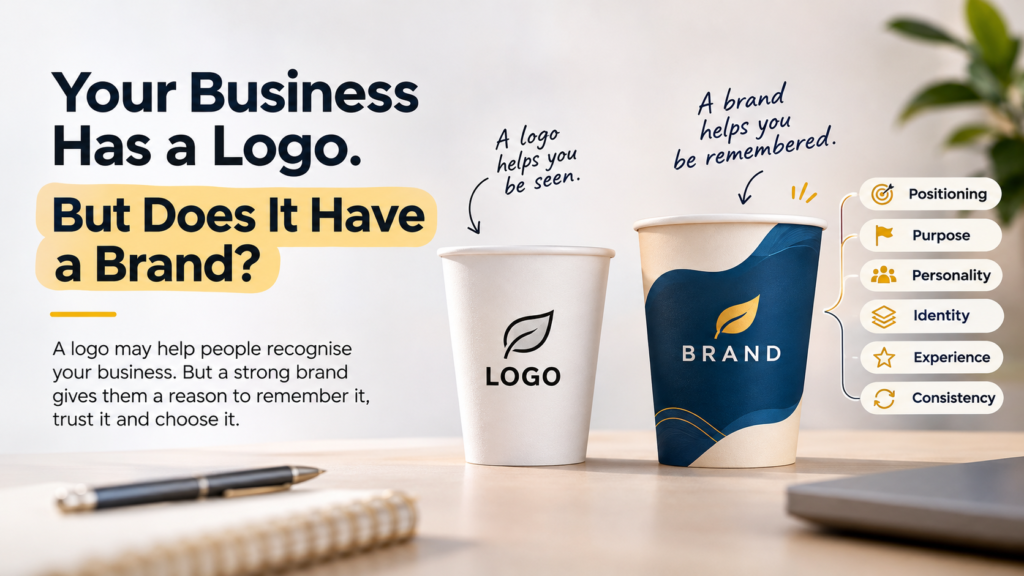
A social media campaign might attract attention, but if the brand positioning is unclear, potential customers may not understand why they should enquire.
SEO might bring visitors to the website, but if there is no clear next step, that traffic may not turn into opportunities.
The channels are working, but they are not necessarily working together.
Start by understanding the customer journey
Before investing more money in marketing, look at how a potential customer discovers and evaluates your business.
A typical journey might look like this:
Discovery: Someone comes across your brand through Google, social media, a recommendation or an advertisement.
Interest: They visit your website, explore your services and look for more information.
Consideration: They compare you with alternatives, check your credibility and try to understand what makes you different.
Enquiry: They contact your business through a form, phone call or WhatsApp.
Decision: Your sales team follows up, understands their requirement and works towards converting the opportunity.
Every stage matters.
If your marketing strategy focuses only on discovery, you may generate visibility without enough enquiries. If your website is not designed to support consideration, you may lose people who were genuinely interested.
Growth happens when the journey is considered as a whole.
Five areas businesses should look at
1. Is your brand positioning clear?
Can a potential customer understand what you do, who you serve and why they should consider you within a few seconds?
If the answer is unclear, your marketing communication needs attention before you increase advertising spend.
2. Does your website support enquiries?
Your website should do more than describe your company.
It should explain your services, demonstrate credibility, answer common questions and make it easy for visitors to contact you.
3. Are you attracting the right audience?
High traffic is not always good traffic.
A business selling premium professional services needs visitors who have the relevant requirement, intent and budget.
Campaign targeting, content and keyword strategy should reflect the audience you actually want to reach.
4. Are you measuring meaningful outcomes?
Look beyond likes and impressions.
Understand how many qualified enquiries you receive, where they come from, how many turn into meetings and how many eventually become customers.
This requires proper conversion tracking and coordination between marketing and sales.
5. Are all channels following one strategy?
Your social media, SEO, paid campaigns and website should reinforce the same positioning and business objectives.
They don’t need to repeat the same content, but they should tell a consistent story.
Why a connected marketing approach makes a difference
Consider a business launching a new service.
A disconnected approach might involve publishing social media posts, running advertisements and writing a few blogs independently.
A connected approach starts by defining the service’s audience, positioning and value proposition.
The website is then developed to explain the offering. SEO content addresses the questions potential customers are searching for. Social media builds awareness and familiarity. Paid campaigns reach relevant audiences and bring qualified visitors to the website.
The results are reviewed together, and the strategy is adjusted based on what the business learns.
The difference is not necessarily the number of activities. It is the thinking that connects them.
What we believe at Brand Synthesis
At Brand Synthesis Global, we believe businesses need more than individual marketing services. They need a clear direction that connects brand, communication and digital performance.
Our work brings together brand strategy, creative communication, website experiences, SEO, social media and performance marketing.
We begin by understanding where the business is today, where it wants to go and what needs to change to get there.
Because marketing should not become a monthly checklist of posts, advertisements and reports.
It should help move the business forward.
If your marketing is generating activity but not the business outcomes you expected, perhaps it is time to review the strategy behind it.